
PMMA Acrylic Sheet – Complete Performance Analysis and Application Guide
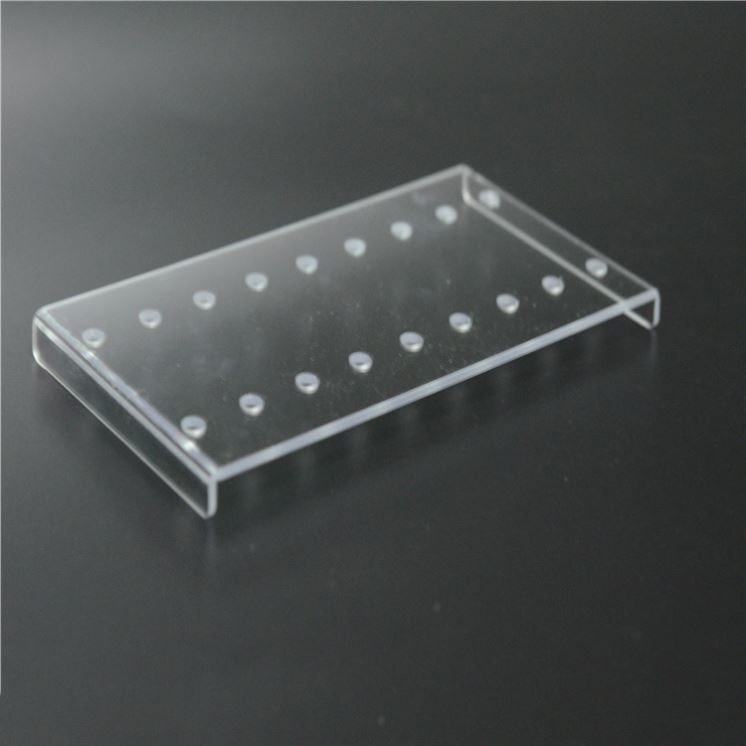
PMMA acrylic sheet, chemically known as polymethyl methacrylate and commonly referred to as acrylic glass or organic glass, is a transparent thermoplastic produced through the polymerization of methyl methacrylate monomer. With visible light transmittance of up to 92% and a density only half that of ordinary glass, acrylic sheet has become the ideal substitute for conventional glass in numerous applications, earning industry recognition as plastic glass or unbreakable glass.
1. Excellent Optical Performance
The most remarkable characteristic of acrylic sheet is its outstanding light transmittance. High-quality clear acrylic sheet can transmit up to 92% of visible light, surpassing the 86% to 89% transmittance level of ordinary glass, with a refractive index of approximately 1.49, achieving excellent clarity and low distortion when properly manufactured. Acrylic sheet also supports multiple optical forms: crystal clear panels for glass and display applications, colored or tinted panels in various standard and custom shades, and translucent or opal grades for light diffusion in LED panels and signage.
In terms of weather resistance, high-quality outdoor-grade acrylic sheet maintains transparency and color stability for many years outdoors thanks to stable UV resistance properties, resisting yellowing, embrittlement and gloss loss, with service life typically reaching 5 to 10 years or more.
2. Superior Mechanical Strength and Safety
Acrylic sheet delivers excellent mechanical performance. Tensile strength reaches approximately 65 MPa, flexural strength approximately 90 MPa, and Shore D hardness is typically around 90, indicating a relatively hard plastic surface. Impact resistance of acrylic sheet is typically 6 to 17 times higher than ordinary glass of the same thickness. Under severe impact, acrylic sheet is more likely to crack or break into large, blunt-edged fragments rather than sharp shards, a characteristic that gives acrylic sheet significant safety advantages in public spaces, retail environments and transportation interiors.
Acrylic sheet has a density of approximately 1.17 to 1.20 g/cm³, roughly half the density of glass, making it easier to handle, transport and install, directly translating to lower structural loads, simpler frame designs and reduced on-site installation costs.
3. Thermal Properties and Thermoforming Characteristics
Acrylic is an amorphous thermoplastic that gradually softens above its glass transition temperature and can be reshaped when heated. The glass transition temperature typically falls within the range of 100°C to 130°C, with heat deflection temperature approximately 73°C to 109°C depending on grade and loading conditions, and softening/molding temperature for many sheet products around 150°C to 160°C.
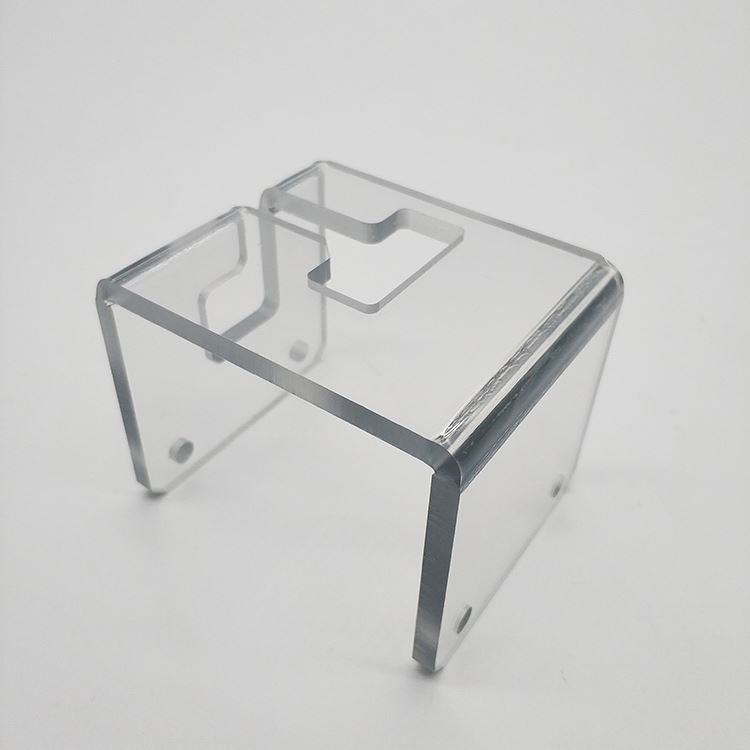
Thermoforming is widely used in acrylic processing. Extruded acrylic sheet is typically thermoformed at approximately 150°C, while cast acrylic sheet typically requires temperatures near 160°C for optimal forming. When processed correctly, acrylic can be bent, drape-formed or vacuum-formed without losing its optical clarity, making it ideal for display covers, machine guards and complex lighting lenses.
4. Rich Product Classification
Acrylic sheet is primarily divided into two major categories based on production process: cast sheet and extruded sheet. Cast sheet is produced through bulk polymerization initiated by a catalyst, offering superior light transmittance, surface hardness and weather resistance, suitable for high-quality applications such as optical lenses, premium display cases and artwork. Extruded sheet is produced through continuous extrusion, offering good transparency, uniform thickness tolerance and high production efficiency, suitable for high-volume standardized products such as advertising light boxes and display racks.
Specialty sheets are available according to functional characteristics: anti-static acrylic sheet achieves stable anti-static performance through surface coating technology, with surface resistance values ranging from 10⁶ to 10⁸ ohms and light transmittance exceeding 90%, widely used in cleanroom partitions, equipment covers and test fixtures; flame-retardant acrylic sheet meets specific fire safety ratings through additive technology; other functional products include high-wear-resistant, UV-resistant and light-diffusing grades.
In terms of specifications, standard sheet sizes include 1000mm by 2000mm, 1212mm by 2424mm, and other dimensions, with thickness ranging from 2mm to 20mm, available colors including clear, tea brown, blue and others, with custom colors and surface textures available upon request.
5. Broad Industry Applications
Leveraging its optical clarity, processing flexibility and weather durability, acrylic sheet plays an indispensable role across multiple industries.
In the advertising and display sector, acrylic light boxes represent one of the most classic applications, featuring high transparency, soft and uniform light distribution and vibrant colors, widely used for signage and advertising displays in commercial streets, shopping malls and retail stores. Acrylic signs and directional signs can be processed through engraving, screen printing, UV printing and hot bending. Acrylic display stands and display cases are used for showcasing premium products such as cosmetics, jewelry, watches and electronics.
In the construction and decoration sector, acrylic sheet is used for lighting roofs and canopies, providing light transmission and weather protection while being lighter and safer than glass; for office, shopping mall and bathroom partitions as well as highway and railway sound barriers; for interior and exterior decoration including suspended ceilings, feature walls, art installations, stair railings and furniture panels; in bathroom products, acrylic bathtubs, shower enclosures and wash basins offer rich colors, warm touch and shatter resistance.
In the transportation sector, acrylic sheet is used for automotive taillight covers, instrument cluster covers, indicator light covers and motorcycle windshields, where reduced weight lowers vehicle weight while maintaining good transparency and impact resistance for passenger safety and visibility; in aircraft and marine vessels, it is used for portholes and interior light covers.
In the industrial sector, acrylic sheet serves as machine guards and viewing windows, allowing observation of internal machine operation while providing reliable impact protection; for instrument and meter panels including dials and instrument cluster covers; as light guide plates for LCD backlight units; and for certain optical lenses such as eyeglass lenses, camera lenses and magnifiers.
In the home goods sector, acrylic picture frames, pen holders, storage boxes, fruit trays, coasters and DIY craft items integrate practicality with decoration. In the furniture sector, acrylic tables and chairs, coffee tables and shelving units add modern and fashionable touches to home environments.
In the medical sector, acrylic sheet is widely used in infant incubators, medicine cabinets, surgical instrument trays, dental materials and laboratory equipment due to its non-toxic and transparent properties, facilitating medical observation while offering good chemical stability and easy cleaning.
In other sectors, acrylic sheet is also used for large aquarium and fish tanks, trophies and medals, architectural models and scale models.
6. Industry Standards and Development Trends
On December 2, 2025, the national standard GB/T 40006.12-2025 Plastics – Recycled Plastics – Part 12: Poly(methyl methacrylate) Materials was officially released and will come into effect on July 1, 2026. This standard was jointly issued by the State Administration for Market Regulation and the Standardization Administration of China, administered by the National Technical Committee on Plastics of Standardization Administration of China, with the competent authority being the China Petroleum and Chemical Industry Federation. The standard specifies the technical requirements for recycled polymethyl methacrylate cast sheets, describes test methods, and specifies inspection rules, marking and labeling, packaging, transportation and storage requirements.
The release of this standard marks a new phase of standardization and regulation for China‘s PMMA recycled material industry, with significant implications for promoting circular economy in acrylic sheet production, improving product quality consistency and enhancing international market competitiveness. In 2024, China’s domestic hollow sheet building materials market size exceeded RMB 8.5 billion, with a compound annual growth rate of 7.3%, and acrylic sheet continues to show steady growth in high-end light transmission applications. With continued development of emerging industries including new energy vehicles, smart home products, premium commercial displays and medical healthcare, the application fields of acrylic sheet continue to expand with broad market prospects.
 Anti Static Orange Bakelite Sh
 POM Sheet Rod Acetal Delrin Pl
 Transparent PMMA Acrylic and P
 Bayer Makrolon PC Sheet Custom